
Is That Foundation Crack Serious? When to Call a Structural Engineer
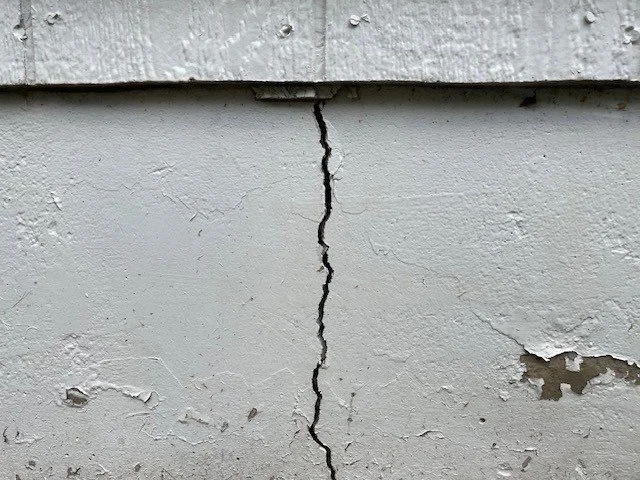
Finding a crack in your foundation can be unsettling, but not every crack is a sign of a major structural problem. Some are simply part of typical movement of a structure, while others may indicate foundation movement that deserves professional attention.
A foundation inspection by an independent structural engineer can help determine the cause and whether structural repairs are actually needed.
Why Do Foundation Cracks Form?
Foundation cracks develop for several reasons. In the Kansas City area, the most common causes include:
Normal concrete settlement
Expansive clay soils that expand when wet and shrink during dry weather
Poor drainage around the home
Heavy rains followed by dry conditions
Water pressure against basement or retaining walls
Many homes experience some settlement over time, but understanding why a crack formed is the key to determining whether it's cosmetic or a structural concern.
Common Types of Foundation Cracks
Vertical Cracks
These are often associated with normal settlement and movement and are typically less concerning if they remain narrow and unchanged. If cracks are larger at the top of the crack than at the bottom of the crack, this can indicate differential settlement in the foundation.
Diagonal Cracks
Diagonal cracks may indicate differential settlement or may indicate lateral movement in your foundation. These cracks may require a structural inspection of your foundation and should be monitored for any changes.
Horizontal Cracks
Horizontal cracks in your foundation are often due to hydrostatic pressure being applied to your foundation and may need to be braced from lateral movement. Horizontal cracks often warrant further evaluation.
Stair-Step Cracks
Frequently found in brick or block foundations, these cracks may indicate foundation movement and should be inspected if they continue to grow.
Signs It's Time for a Foundation Inspection
Consider having your home evaluated if you notice:
Larger cracks
Cracks that continue to grow
Multiple new cracks appearing
Bowing or leaning foundation walls
Doors or windows that suddenly become difficult to open or close
Sloping or uneven floors
Water entering through foundation cracks
Gaps developing around doors, windows, or trim
What Happens During an Inspection?
A structural engineer will evaluate more than just the visible crack. A typical inspection includes:
Elevation readings throughout the home
Examining the interior and exterior foundation
Looking at crack size, direction, and pattern
Looking for signs of structural movement in finishes
Evaluating drainage and site conditions
Providing recommendations based on the findings
In many cases, the recommendation may simply be to monitor the crack over time rather than begin immediate structural repairs.
When to Call a Structural Engineer
Homeowners often ask when to call a structural engineer. It's a good idea to schedule an inspection if cracks are growing, foundation walls appear to be moving, floors become uneven, or water is entering your basement.
It's also wise to seek an independent opinion before purchasing a home or committing to expensive foundation repairs. An objective evaluation can help you understand the true condition of the structure and make informed decisions.
Foundation Concerns in the Kansas City Area
Kansas City's expansive clay soils, changing weather conditions, and seasonal moisture swings can all contribute to foundation movement. While many homes experience minor settlement, significant movement should be professionally evaluated before it leads to more extensive damage.
Frequently Asked Questions
Are all foundation cracks serious?
No. Many small cracks are cosmetic, but larger or changing cracks should be evaluated.
Can I repair a foundation crack myself?
Surface repairs may seal a crack, but they won't address the underlying cause if structural movement is occurring.
Should I monitor a crack before calling an engineer?
Hairline cracks that remain unchanged can often be monitored. If the crack grows or other warning signs appear, an inspection is recommended.
Final Thoughts
Not every foundation crack requires major repairs, but it's important to know the difference between normal settlement and signs of structural movement. A professional foundation inspection by Resolve Engineering can provide clear answers, helping you protect your home and avoid unnecessary repair costs. Contact us or fill out our Quick Booking Form to schedule your inspection with Resolve Engineering.