
Winter Foundation Problems in Kansas City: A Structural Engineer’s Perspective
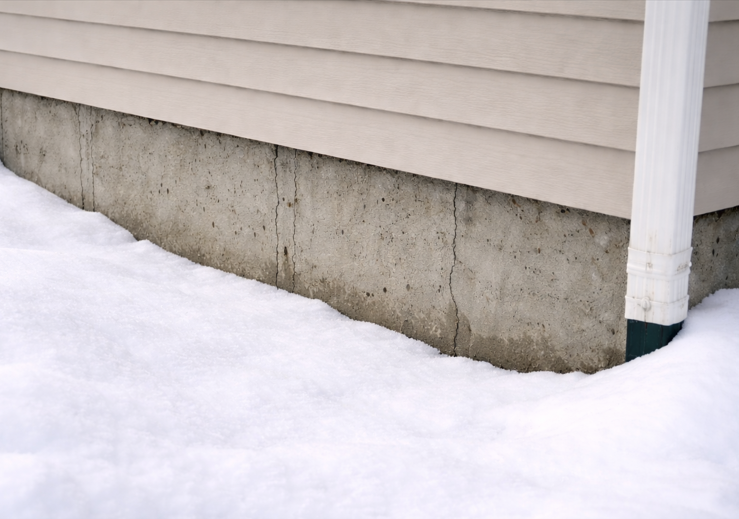
As a residential structural engineer working throughout the Kansas City metro, I often see foundation problems become more noticeable, or even appear for the first time, during the winter months. Homeowners are frequently surprised when cracks show up, doors start sticking, or basement walls seem to shift right as temperatures drop.
Kansas City’s climate and soil conditions make winter one of the most revealing seasons for foundation performance. In this article, I’ll explain why winter is hard on certain foundations in Kansas City, what issues I commonly see, and when it’s time to involve a structural engineer.
Why Winter Is Hard on Kansas City Foundations
Kansas City homes are built on soils that are highly sensitive to moisture changes. When winter arrives, those moisture levels often change rapidly, which can affect how the soil supports a home’s foundation.
Winter brings:
Cold temperatures
Freeze–thaw cycles
Snow accumulation followed by rapid melting
Reduced soil moisture during extended dry periods
Each of these factors can cause soil movement, and soil movement is one of the primary drivers of foundation issues in this area.
Kansas City Soil and Climate: A Perfect Storm for Foundation Movement
Much of the Kansas City metro area sits on expansive clay soils. These soils expand when wet and shrink when dry. While this behavior exists year-round, winter introduces unique stress in foundations that may not be seen year-round.
Key factors affecting foundations in winter:
Soil contraction: As moisture leaves the soil, it shrinks and provides less support to foundation walls and footings.
Freeze–thaw cycles: Repeated freezing and thawing can loosen soil near foundation walls.
Uneven moisture conditions: Snow may pile up on one side of a home while other areas remain dry, creating differential movement.
Frost depth: While frost heave is less common in deep foundations, freezing near the surface can still influence shallow elements like slabs and porches.
Common Winter Foundation Issues I See as a Structural Engineer
During winter inspections in Kansas City, several patterns show up consistently.
Interior Symptoms
New drywall cracks, especially above doors and windows
Cracks at ceiling-to-wall intersections
Floors that feel uneven or develop gaps near walls
Doors and windows that suddenly stick or won’t latch
Exterior and Foundation Symptoms
Stair-step cracking in brick or masonry walls
Vertical or diagonal cracks in concrete foundation walls
Basement walls that appear to bow more than before
Separation between foundation walls and framing
Many homeowners assume these issues are caused directly by freezing temperatures, but in most cases, soil moisture change is the real culprit.
Why Foundation Problems Often Appear or Worsen in Winter
Winter doesn’t usually cause new foundation problems but instead it tends to expose existing vulnerabilities.
Here’s why:
Dry winter air and home heating systems can reduce moisture in the soil near the foundation.
Soil shrinkage leads to loss of support, especially along exterior walls.
Snowmelt can saturate localized areas, creating uneven support.
Previously repaired foundations may respond differently than untouched areas, making movement more noticeable.
In short, winter acts like a stress test for your foundation.
Normal Seasonal Movement vs. Structural Concerns
Not all winter-related movement is a structural problem. Kansas City homes often experience minor seasonal movement.
Typically normal:
Hairline drywall cracks that open in winter and close in spring
Minor door misalignment that resolves seasonally
Small vertical foundation cracks without displacement
Red flags that deserve attention:
Cracks that continue to grow
Stair-step cracking that worsens year over year
Bowing or leaning basement walls
Cracks accompanied by floor or framing movement
Issues that do not improve when temperatures warm up
When movement appears progressive rather than seasonal, it’s time for a professional evaluation.
Preventive Steps Kansas City Homeowners Can Take Before and During Winter
While not all foundation movement can be prevented, homeowners can reduce risk by managing moisture and drainage.
Helpful preventive measures:
Ensure downspouts discharge well away from the foundation
Maintain positive grading so water drains away from the home
Avoid letting snow pile up against foundation walls
Maintain consistent soil moisture around the foundation perimeter
Monitor known cracks and document changes over time
These steps won’t fix existing structural problems, but they can limit further movement.
When to Call a Structural Engineer
Many homeowners first contact a foundation repair contractor, but a structural engineer provides an unbiased evaluation focused on diagnosis rather than selling repairs.
You should consider calling a structural engineer if:
Cracking or movement appears suddenly or worsens in winter
You’re unsure whether movement is normal or structural
You’re buying or selling a home with visible foundation issues
A repair proposal has been recommended and you want an independent opinion
A winter foundation inspection often provides valuable insight because the foundation is under peak seasonal stress.
Winter Is a Diagnostic Season for Foundations
From an engineering standpoint, winter is one of the best times to evaluate how a foundation is truly performing. Issues that stay hidden during mild weather often become visible when soils shrink, moisture changes, and structural systems are stressed. Addressing foundation concerns early can prevent more extensive and costly repairs down the road.
If you notice new movement or cracking this winter, schedule an inspection now with our Quick Booking Form or contact Resolve Engineering if you have questions before scheduling your inspection. Kansas City’s soils are unforgiving, but with the right evaluation and timely action, most foundation problems can be managed effectively.